What Makes Landscape Restoration Possible? Although Latin America and the Caribbean have significant international commitments, public policies, and local restoration experiences, the challenge remains of connecting these efforts and creating the necessary conditions to scale them up.
With the aim of creating a space for dialogue and exchange, on October 9, 2026, the Initiative 20x20and the Latin American Network of Model Forests (RLABM), with support from the Forest Engineering Chapter of the Peruvian College of Engineers (CIP) and WWF Peru, held the International Forum “What Makes Landscape Restoration Possible? Policies, Inclusive Governance, Financing, and Innovation in Latin America” in Lima, as part of the FLR Hub Project implemented by WRI and the ACA Project implemented by CATIE.
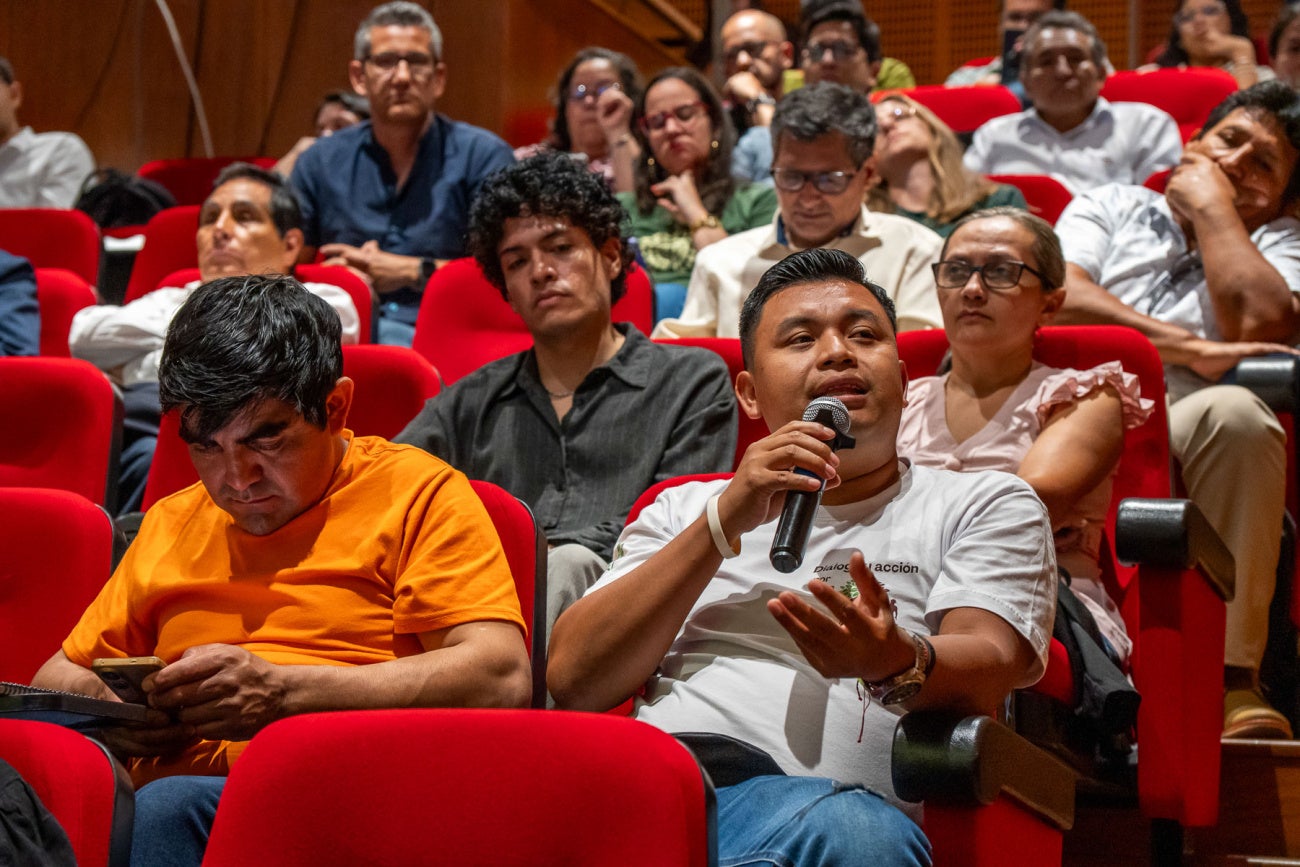
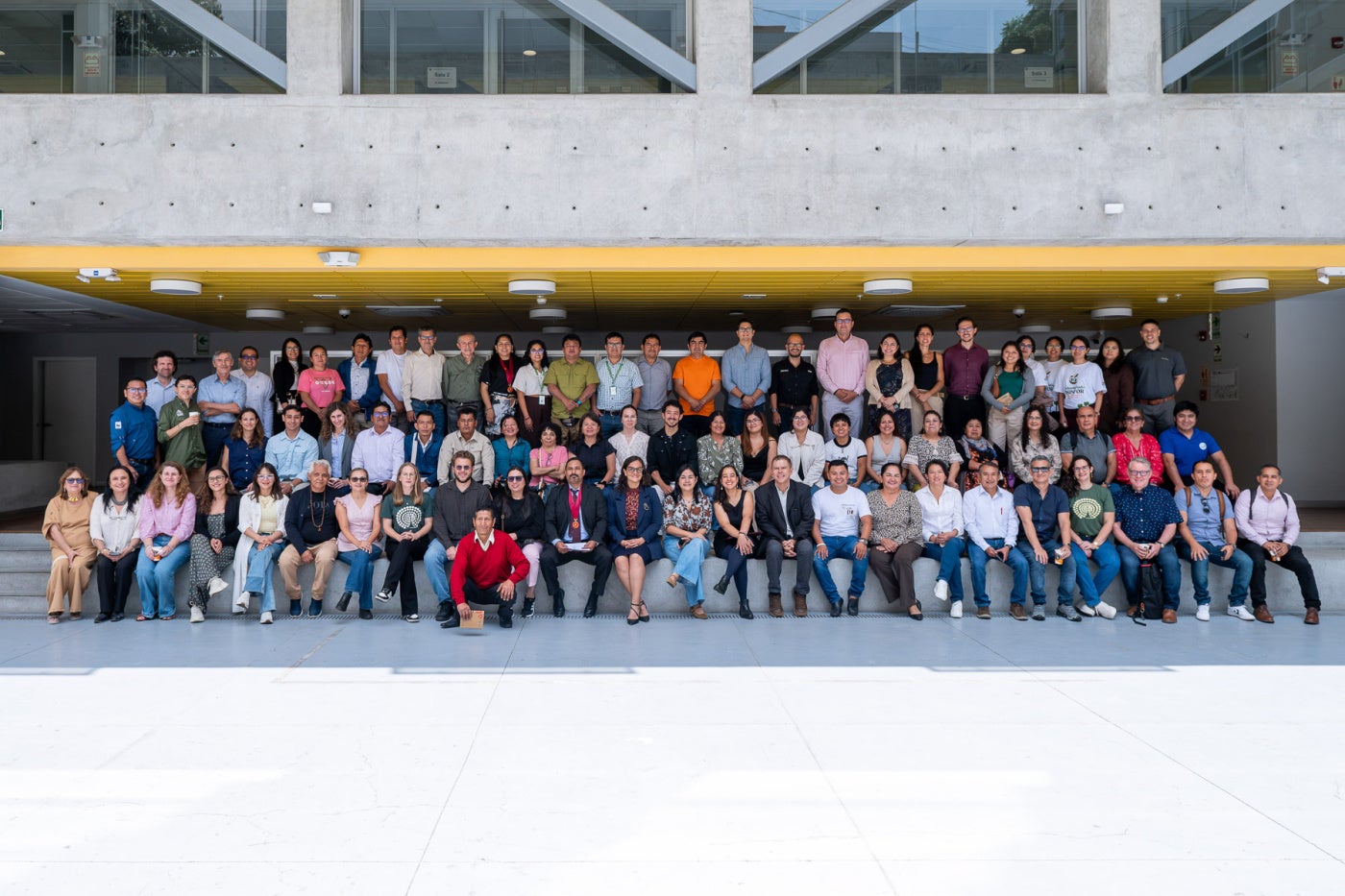
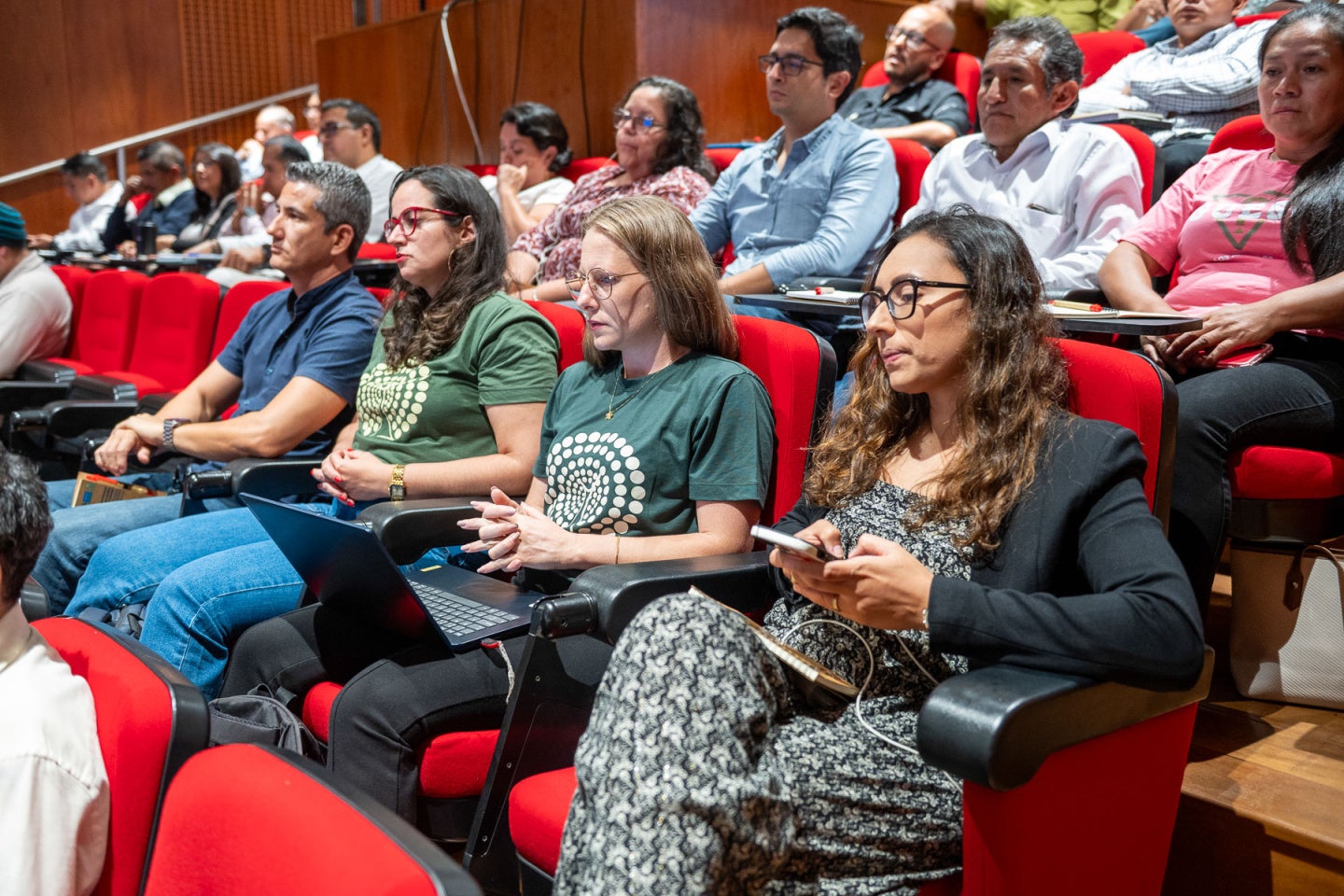
The event brought together approximately 80 representatives from public institutions, civil society organizations, businesses, academia, and Model Forests from 15 countries in Latin America and the Caribbean, and featured presentations by more than 30 specialists. Through four thematic sessions, participants analyzed common challenges, shared local experiences, and identified opportunities to strengthen the enabling conditions for restoration.
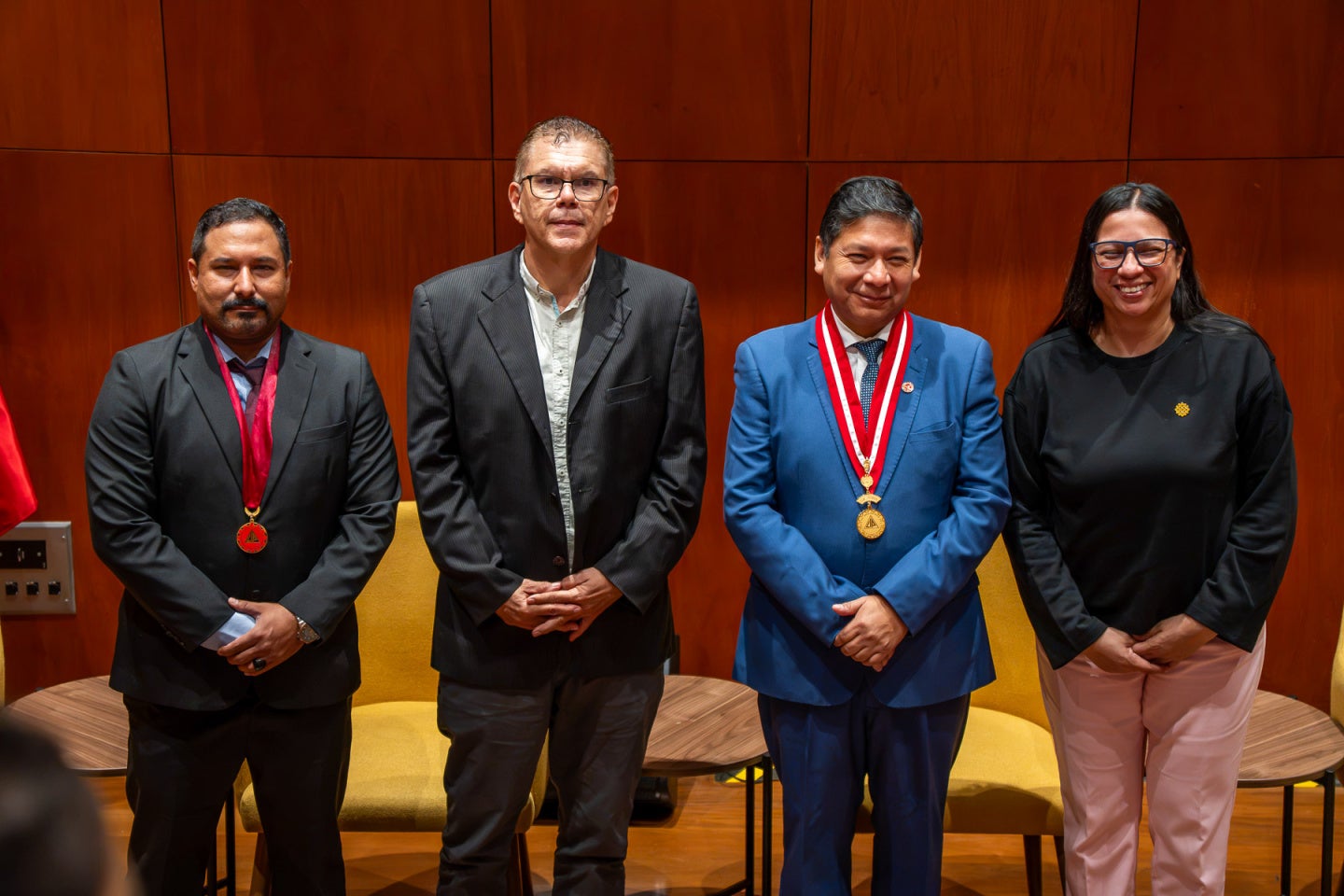
During the opening presentation, Alejandra Laina, Director of the 20x20 Initiative, emphasized that scaling up restoration involves moving beyond simply multiplying individual projects or increasing the number of hectares restored; rather, it entails transforming the systems that determine how landscapes are managed—by coordinating policies, institutions, capacities, incentives, and financial resources—so that restoration becomes more attractive than degradation.
For his part, Roger Villalobos, president of the Latin American Model Forests Network, noted that “restoration is always and necessarily a long-term—indeed, very long-term—process, and as such, an intergenerational one.” This perspective was a common thread throughout the various discussions held during the event: restoration must extend beyond the duration of a single project or administration and become a process sustained by institutions and local stakeholders.
Four Areas of Work to Accelerate Restoration: Reflections from the Forum
1. Policy coherence: connecting sectors, levels of government, and commitments
The existence of national and international regulatory frameworks and commitments constitutes an important starting point. However, their effectiveness depends on countries’ ability to translate them into local actions, coordinate sectors and levels of government, and ensure their continuity beyond political cycles.
The experiences shared by representatives from Peru, Honduras, and Brazil highlighted the need to strengthen intersectoral coordination, develop tools tailored to the characteristics of each ecosystem, and address the structural causes of degradation. Restoration does not always mean planting trees: it also involves protecting ecosystems from fires and other threats, restoring ecological functions, and creating sustainable economic opportunities for communities.
Likewise, the importance of harmonizing information and monitoring systems was emphasized, incorporating indicators that allow for the evaluation not only of the restored area but also of the ecological, social, and economic outcomes of the interventions.
2. Inclusive Governance: Building Enduring Processes in Local Communities
The experiences of the Model Forests provided an opportunity to reflect on the value of multi-stakeholder platforms for building consensus, managing conflicts, and sustaining restoration processes over the long term.
From water source conservation initiatives in Abancay, Peru, to community forest concessions in Petén, Guatemala, the case studies presented demonstrated how natural resource management can reconcile diverse interests and strengthen communities’ livelihoods, cultural identity, and commitment to their territories.
It was emphasized that governance must be understood as an ongoing process and not as an activity limited to the duration of a project. To this end, it requires legitimate participatory structures, local leadership, sustainable financing mechanisms, and conditions that enable women, Indigenous peoples, and youth to exert effective influence on decision-making.
3. Knowledge, Culture, and Education: Mobilizing Collective Action
Landscape restoration requires recognizing the diversity of knowledge that exists within territories and creating learning spaces that connect scientific evidence with indigenous, traditional, and local knowledge.
The presentations highlighted the need to move beyond consultation toward true knowledge governance, in which communities have the capacity to decide how their knowledge is documented, used, and protected. Likewise, the importance of giving visibility to women’s knowledge and eliminating the barriers that limit their participation was emphasized.
Initiatives such as the Andean Chocó School Forests Network in Ecuador and reflections on incorporating indigenous knowledge into vocational training in Chile highlighted the role of education and culture in building lasting connections between people and nature.
In this context, the Community of Practice on Gender and Social Inclusion in Restoration was also presented—a space promoted through the FLR Hub Project to foster the exchange of experiences, capacity building, and collective learning.
4. Public and Private Financing: Investing in the Conditions That Make Restoration Possible
Mobilizing resources for restoration requires going beyond the search for new sources of funding. One of the main challenges identified during the Forum was the need to organize and coordinate existing investments around territorial priorities and shared outcomes.
The potential of combining public resources, international cooperation, philanthropy, and private investment through territorial portfolios—which can reduce risks, build trust, and sustain interventions over time—was highlighted.
A particularly relevant aspect was the recognition of governance costs. According to a study by EcoAgriculture Partners presented during the meeting, most of the landscapes analyzed operate with less than half the resources needed to sustain their governance structures. Coordination, facilitation, planning, capacity building, and monitoring are fundamental investments for preparing territories and attracting additional resources.
The experiences of Peru, Argentina, and Puerto Rico also helped identify opportunities to improve the coordination of public investment, strengthen local financial mechanisms, and build relationships of trust with the private sector.
Model Forests as Territorial Laboratories for Scaling Up Restoration
A recurring theme of the Forum was the recognition of Model Forests as platforms that connect global and national agendas with the needs, capacities, and aspirations of local territories.
Their experience in multi-stakeholder governance, consensus-building, and integrated landscape management offers opportunities to develop, validate, and share solutions that can be adapted to other contexts in Latin America and the Caribbean.
From the 20x20 Initiative’s perspective, strengthening these platforms represents an opportunity to promote learning among territories, generate evidence, identify investment opportunities, and influence public policies that support large-scale restoration.
The meeting concluded with a call to build restoration processes together with communities, recognizing that restoring landscapes and addressing the causes of their degradation is a collective and intergenerational task.
Learn about the Forum’s key takeaways
The report from the International Forum compiles the key insights from the keynote presentations, panel discussions, experiences shared by the Model Forests, and audience contributions. This document aims to contribute to knowledge management and provide resources for institutions, organizations, and individuals committed to landscape restoration in Latin America and the Caribbean.
About the FLR Hub Project
The Forest Landscape Restoration Hub (FLR Hub) Project seeks to strengthen the enabling conditions for forest landscape restoration and contribute to the fulfillment of national and international commitments regarding biodiversity, climate change, and sustainable development. In Peru, the project will be implemented between 2026 and 2030, prioritizing actions in the regions of San Martín and Madre de Dios.
The project is funded by the German government’s International Climate Initiative (IKI) and is led by the International Union for Conservation of Nature (IUCN), with support from the World Resources Institute (WRI) and WWF.