Location
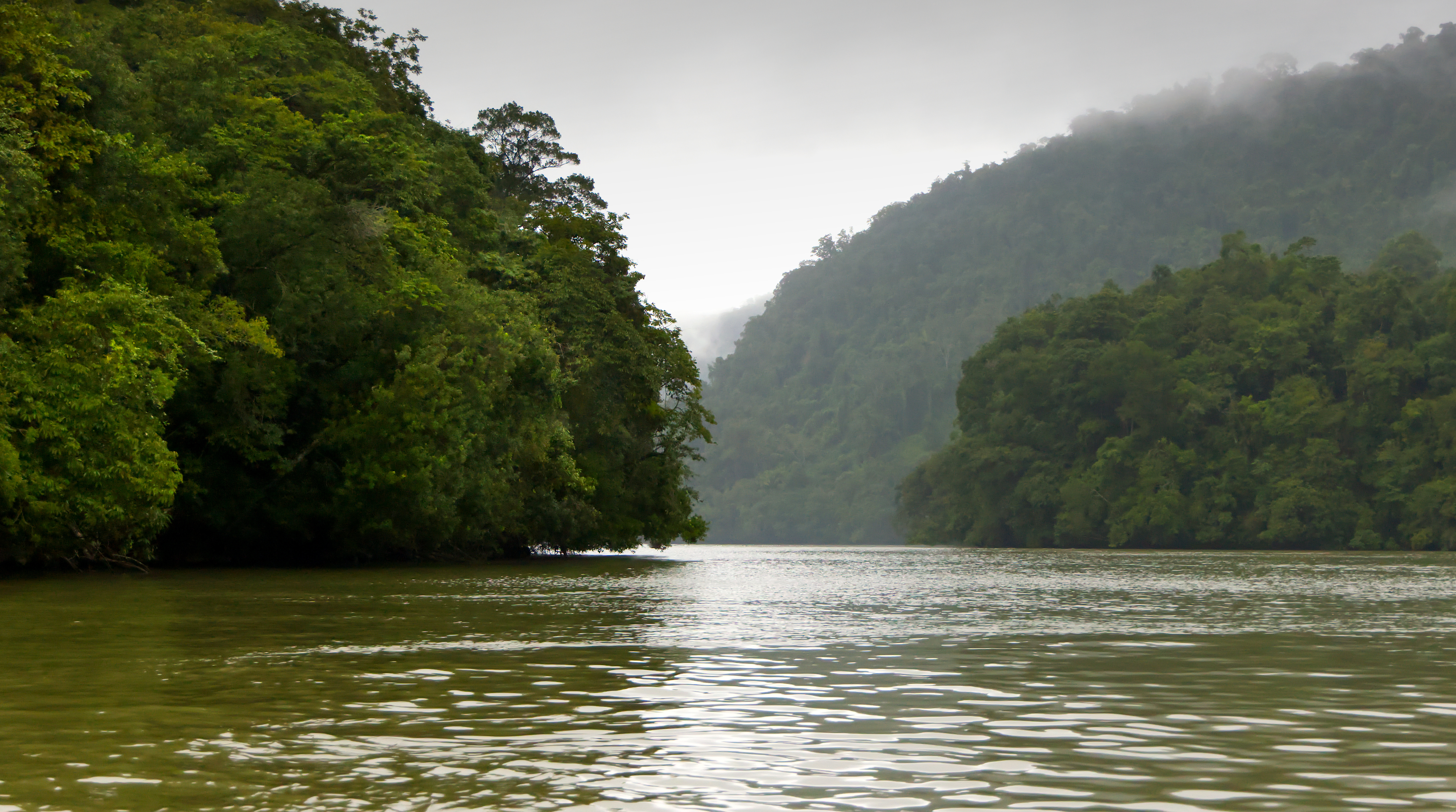
Gulf of Honduras, specifically in:
Monkey River watershed (Belize);
Cerro San Gil Reserve – Lake Izabal – Río Dulce and Río Sarstún (Guatemala);
Merendón Mountain Range and Cusuco National Park (Honduras).
About the project:
Project: Using Nature-based Solutions to Increase Resilience to Extreme Climate Events in Central America’s Atlantic Region (o REFORES - Forest Restoration for Climate Resilience).
The Atlantic Coast of Belize, Guatemala and Honduras is known as Central America’s “hurricane corridor.” The region has endured about 65 hurricanes and tropical storms over the past 60 years, bringing devastating floods that wipe out nearby crops, landslides that damage homes and fierce winds that damage ecosystems.
Degraded landscapes only worsen these impacts, putting vulnerable communities further at greater risk. Restoring these coasts can help communities adapt to the negative impacts of increasingly worse storms. By nurturing healthy riverbanks, upland forests and coastal mangroves, we can reduce landslides, prevent coastal erosion after storms and create hurricane buffers for coastal towns.
REFORES (Forest Restoration for Climate Resilience) is a regional initiative that strengthens climate resilience along the Atlantic coast of Belize, Guatemala, and Honduras through ecosystem restoration as an adaptation measure. It integrates applied science and local knowledge so that riverbanks, forests, and productive landscapes can recover their protective role against intense rainfall, floods, landslides, and erosion.
The project is financed by the Adaptation Fund, with the Central American Bank for Economic Integration (CABEI) serving as the regional implementing entity. Technical execution is led by WRI and the Tropical Agricultural Research and Higher Education Centre (CATIE), also mobilizing networks such as Initiative 20x20 to scale learning and explore investment opportunities.
REFORES directly benefits close to 2,000 people and indirectly more than 35,000, including farming and forestry families, community organizations, and local authorities responsible for risk management, the environment, and climate change, across three strategic landscapes of the Gulf of Honduras: the Monkey River watershed (Belize); the Cerro San Gil Reserve–Lake Izabal–Río Dulce and Río Sarstún (Guatemala); and the Merendón Mountain Range and Cusuco National Park (Honduras).
This project aims to:
Component 1. Incorporating restoration as a nature-based solution (NbS) for climate change adaptation in public policies and regulatory frameworks.
Integrates restoration as an adaptation measure into national and subnational policy, regulatory, and land-use planning instruments through legal and technical reviews, targeted regulatory adjustments, and guidance aligned with NAPs and NDCs, using participatory processes with relevant institutions and inclusive engagement.
Component 2. Implementation of adaptation measures in selected Atlantic Forest landscapes.
Implements NbS on the ground in priority landscapes through restoration with native species (riverbanks, slopes, and mangrove transition zones) alongside more sustainable productive practices, and co-designs multi-hazard community early warning systems linked to national platforms, with training and protocols to enable scaling.
Component 3. Capacity strengthening, dissemination of knowledge and information at local, national, and regional levels.
Strengthens capacities through a regional training program and develops a regional information system that consolidates data, methods, and lessons learned, sharing updated knowledge products through partner platforms to support replication and evidence-based decision-making.
Across all components, REFORES mainstreams gender equality, social inclusion, and social and environmental safeguards, setting parity targets and practical measures to ensure effective and safe participation, and promoting leadership roles for women, youth, and Indigenous and native peoples throughout implementation.
Learn more about this project on the Adaptation Fund website
Grievance Mechanism accessible through WRI at wri.ethicspoint.com
Categories:
ReforestationMedia contact:
Diego Felipe Gómez, Communications Manager at WRI Colombia.
Email: diego.gomez@wri.org