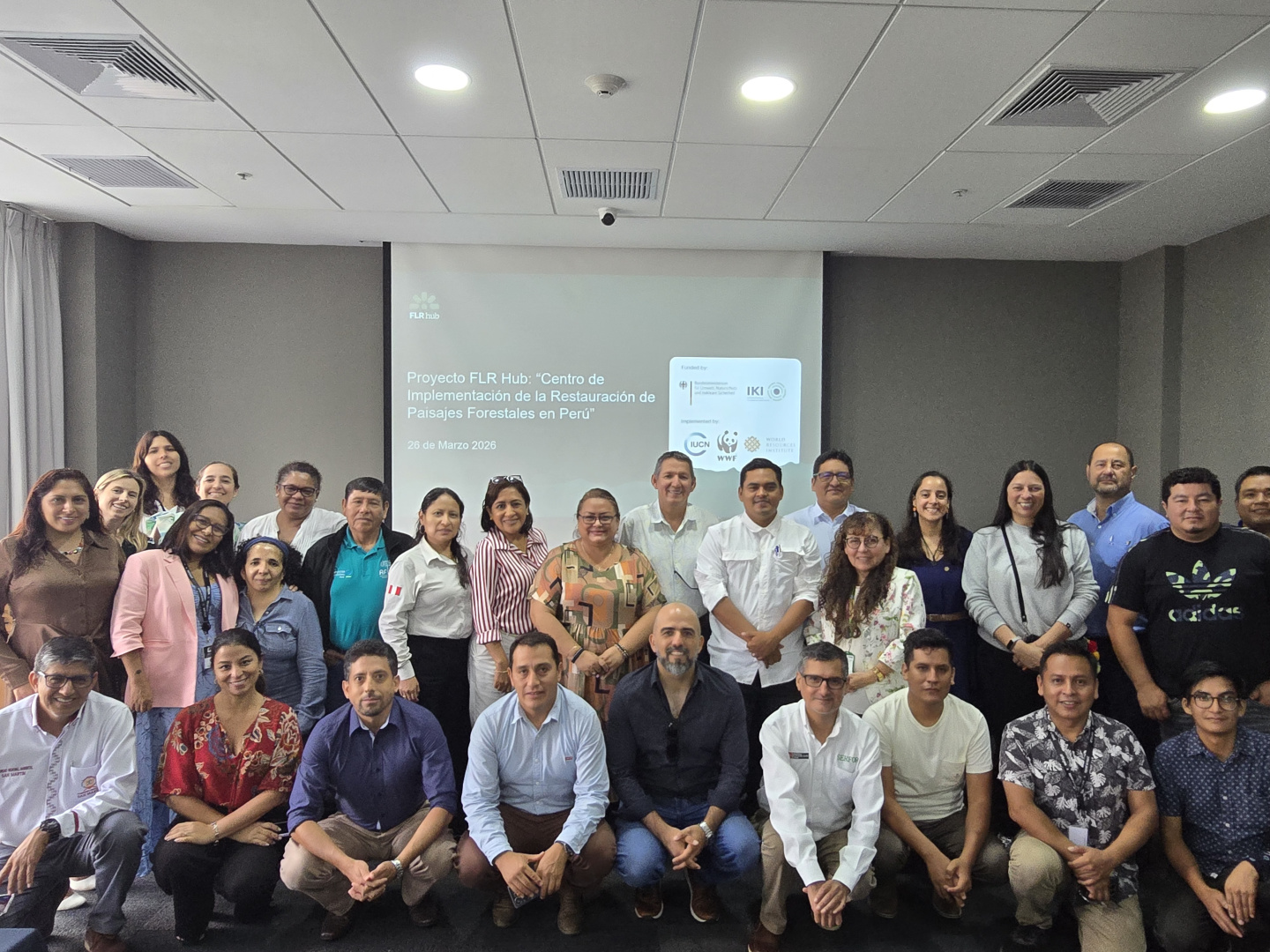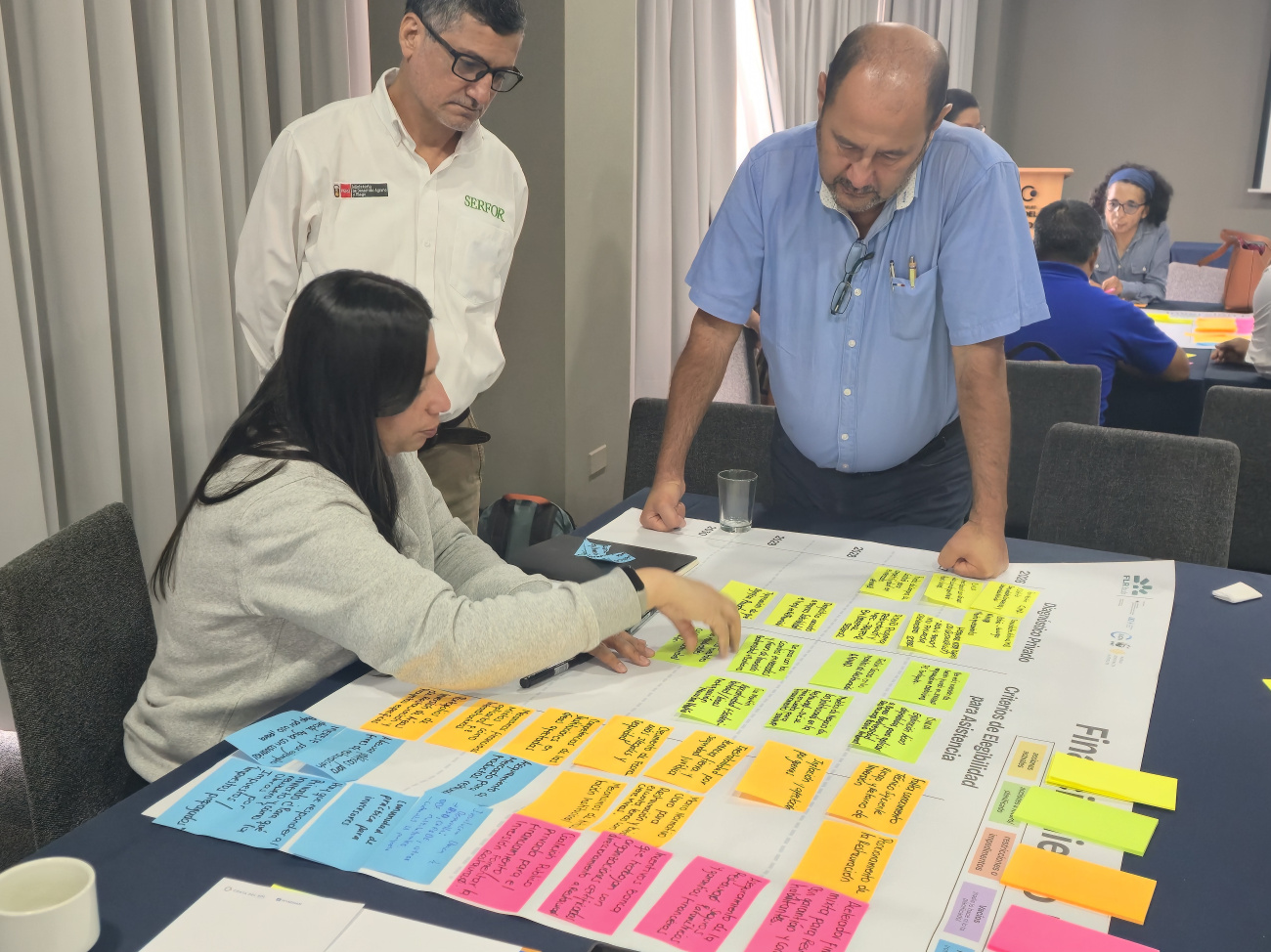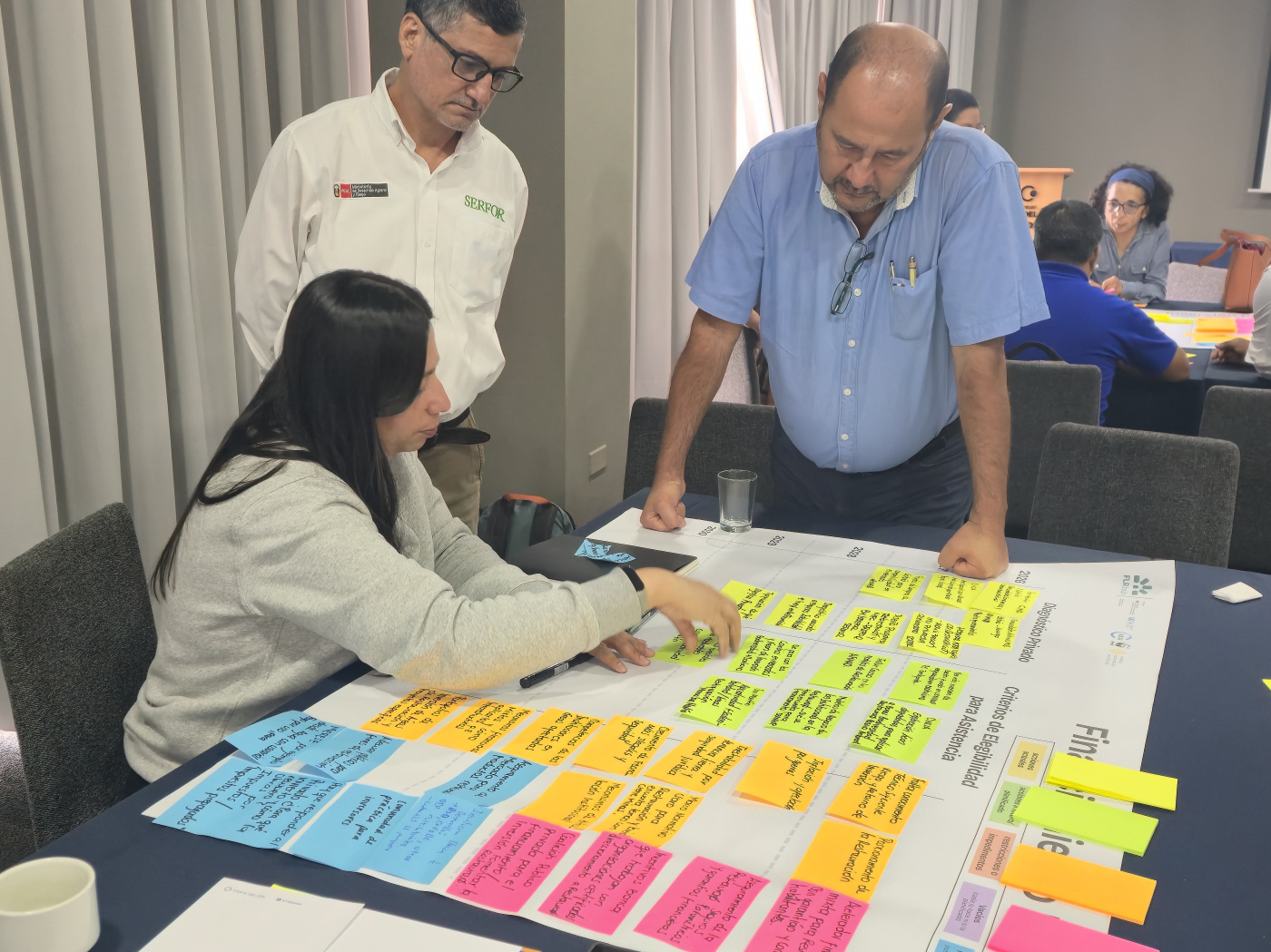
Lima, Peru, March 26, 2026. Before national and regional authorities, the project “Forest Landscape Restoration Implementation Hub in Peru,” or FLR Hub Peru, was officially launched. The initiative seeks to strengthen the enabling conditions for forest landscape restoration in the country and contribute to the achievement of national climate, biodiversity and development goals.
The project is part of a global initiative that is also being implemented in Brazil, Colombia, Uganda, Madagascar and Tanzania, with the goal of restoring nearly 200,000 hectares of degraded land and contributing to the sequestration of 500,000 tons of carbon. FLR Hub is supported by the International Climate Initiative (IKI) of the German Government and is led by the International Union for Conservation of Nature (IUCN), with support from the World Resources Institute (WRI) and the World Wildlife Fund (WWF).
In Peru, the project will be implemented between 2026 and 2030, with priority actions in Madre de Dios and San Martín, two strategic Amazonian territories where the project will help generate lessons learned, strengthen capacities and advance restoration approaches. This first meeting was aimed at presenting the Year 1 work plan and gathering inputs to inform planning for Years 2 through 5.
To that end, the workshop brought together representatives from the Ministry of the Environment, the National Forest and Wildlife Service (SERFOR), the National Service of Natural Protected Areas by the State (SERNANP), the Agency for the Supervision of Forest and Wildlife Resources (OSINFOR), and authorities from the regional governments of Madre de Dios and San Martín. They were joined by the Coordinator for the Development and Defense of the Indigenous Peoples of the San Martín Region (CODEPISAM) and the Indigenous Forestry Association of Madre de Dios (AFIMAD).
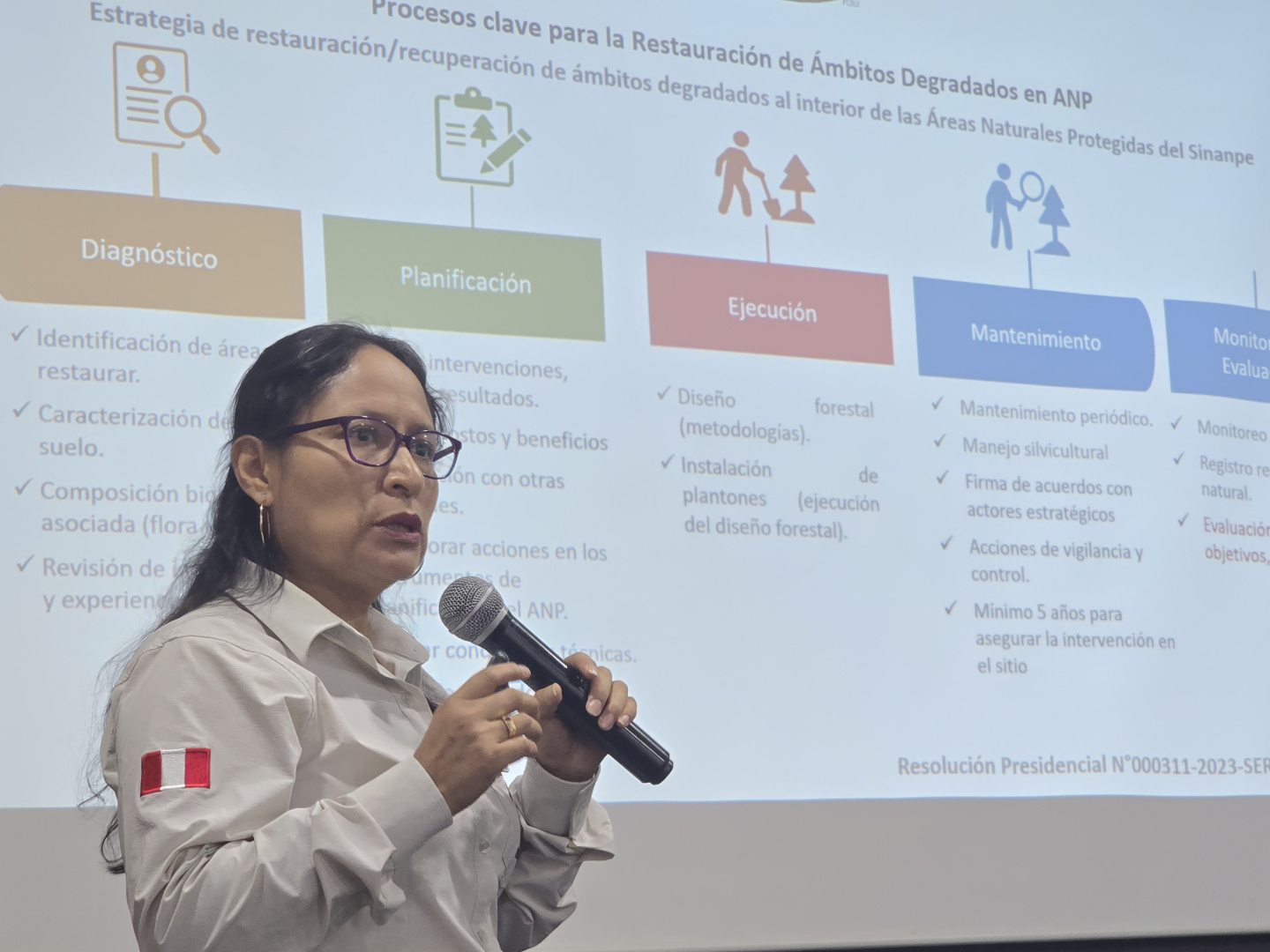
From SERFOR’s perspective, the project is seen as an opportunity to build on the country’s progress in restoration. “FLR Hub will support the National Strategy for the Restoration of Ecosystems and Degraded Forest Lands, approved in 2021, specifically in achieving its targets, such as restoring 15% of the national restoration gap, equivalent to 330,000 hectares,” said Frida González, Forestry Specialist at SERFOR’s Directorate for the Sustainable Management of Forest Heritage.
This effort also reflects an increasingly clear regional understanding of the role of restoration. “Landscape restoration in Latin America should no longer be seen only as an environmental agenda, but as a comprehensive strategy that connects water security, rural competitiveness, climate resilience and biodiversity recovery,” said Alejandra Laina, Director of Initiative 20x20 and of WRI Colombia’s Food, Land and Water Program.
In this context, FLR Hub Peru seeks to contribute to more effective, measurable and coordinated restoration, grounded in collaborative work among national institutions, regional authorities and territorial actors, with a long-term perspective for landscapes and the communities that depend on them.